Why Won't My Baby Take a Pacifier? (The Real Reasons + Tips That Actually Help)
By Myranda Duma, Founder of Tiny Trials
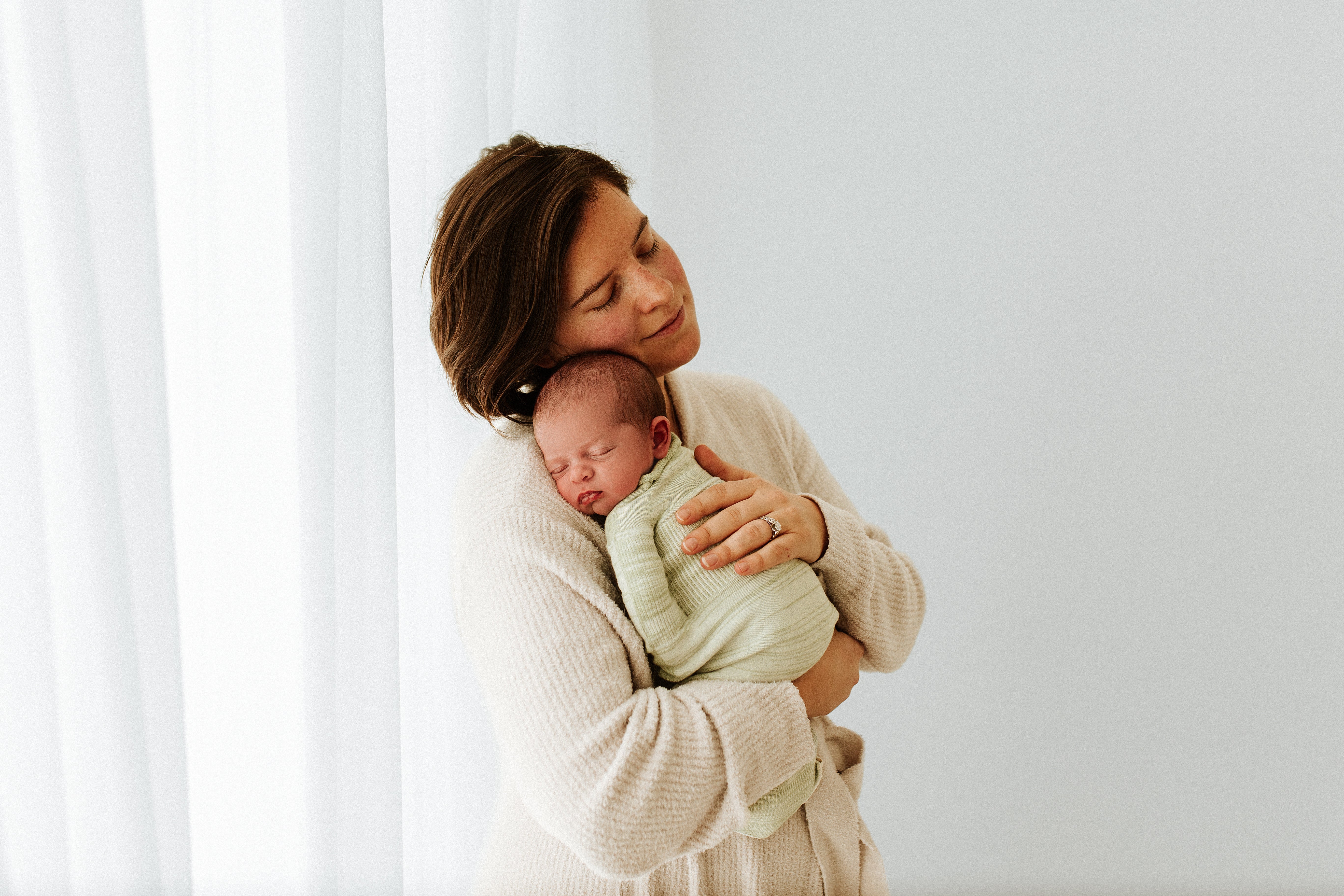
Nobody tells you that getting a baby to take a pacifier can feel like negotiating with a tiny, very opinionated person who doesn't speak yet. You've tried six different times. They keep spitting it out. You're Googling at 2am. You've started to take it personally.
Here's the good news: it's almost certainly not what you think. Here's what's actually going on, and what to try.
First, the reassurance: it's probably a reflex, not rejection.
Newborns have something called the tongue thrust reflex (also known as the extrusion reflex) that causes their tongue to automatically push objects out of their mouth. It's a protective mechanism that helps babies feed safely without choking and it works together with the sucking reflex, which develops between 32 and 36 weeks of gestation.
In plain terms: your baby isn't saying no. Their body just doesn't know what this thing is yet and is doing its job of keeping them safe.
The tongue thrust reflex is present at birth and typically persists until 4 to 7 months of age in typically developing babies. So if you're in the early weeks, a little patience goes a long way.
The tip that actually helps: Aim the pacifier toward their nose so it touches the roof of their mouth, this activates their sucking reflex. Same technique as a proper latch for breastfeeding or bottle feeding. Give it a gentle wiggle before letting go.
A few (suggested) milestones to hit before introducing.
These apply to all feeding journeys (breastfeeding, pumping, or formula feeding):
Feeding is established and going well. Baby is back to birth weight. Baby seems satisfied after feeds.
If you're breastfeeding specifically, most specialists suggest waiting until around 3–4 weeks, or until latch is established. The American Academy of Pediatrics suggests waiting until "breastfeeding is going well" (which they note typically takes three to four weeks) to reduce the risk of nipple confusion and to give your milk supply time to regulate.
That said, these are suggested guidelines, not rules. Formula-feeding parents have more flexibility — for babies who are bottle-fed, there's generally less concern about nipple confusion, and a pacifier can be introduced from birth or whenever you notice your baby enjoys sucking for comfort.
Timing matters more than you'd think.
Offer it when your baby is calm, not mid-cry, not hungry, not frustrated. Right after a feed is the sweet spot. When they're full and relaxed, they're far more likely to associate the pacifier with comfort rather than stress.
Harder than it sounds when they're screaming at 3am, we know. But introducing it during a calm moment gives it a much better chance of sticking.
On patience: some babies take to a pacifier in a day. Some take a week. Some need a few weeks of consistent, low-pressure offerings. All of that is normal. If they refuse, take it out and try again later, no need to force it.
Still not working? Try a different one.
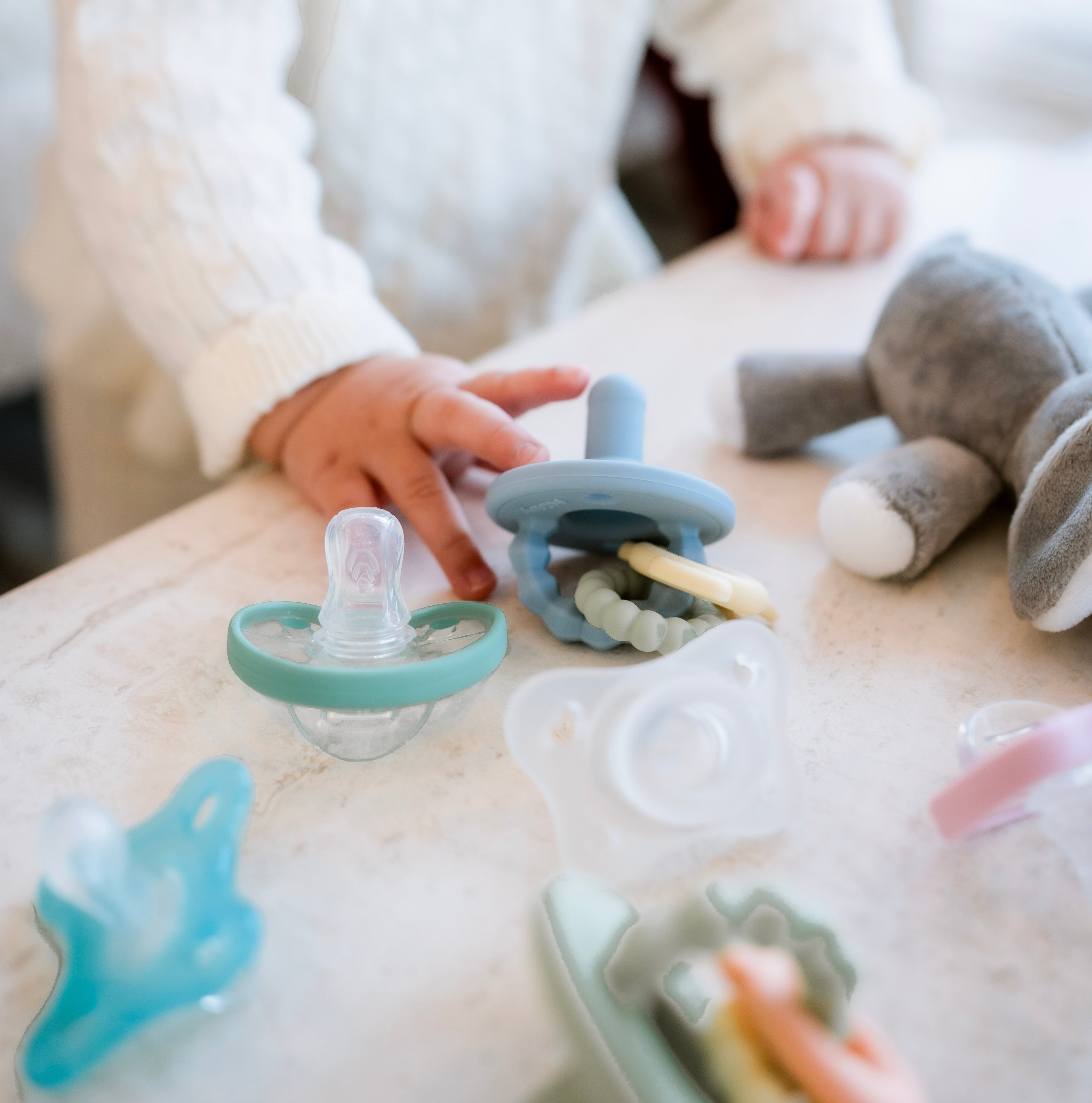
Shape, size, and nipple material all matter — and what works for one baby might not work for another. Babies have different preferences, different sucking techniques, and different mouth anatomy, which is why there's no one-size-fits-all pacifier. Specialists recommend trying a few different styles before writing it off completely.
Shameless plug: that's exactly why we built the Tiny Trials Pacifier Trial Box— so families can explore and try a range of trusted, parent-approved brands before committing to a 12-pack that their baby may decide belongs in the trash.
A note on all the advice out there.
There is a lot of it. And a lot of it contradicts itself. We know how fast that pile-on can happen, and how much it adds to an already full plate.
Our honest suggestion: find a couple of sources you trust and stick with them. Conflicting opinions are noise, and you've already got enough going on.
You know your baby better than any post on the internet. Trust that.
(Yes, even the tips in this post.)
Find the one your baby actually likes. The Tiny Trials Pacifier Trial Box lets you try 9 pacifiers in 6 styles from trusted brands in one box, so you can skip the guesswork and the wasted 12-packs. Shop the Pacifier Trial Box.
Related reading: the best pacifiers for newborns and orthodontic vs round pacifiers.

Myranda Duma | Founder, Tiny Trials
Myranda is a mom of two who knows the invisible load parents carry, how quickly small decisions add up, and how often you are asked to commit to a product without knowing what will actually work. She built Tiny Trials from that lived experience, so families can discover what suits their baby without the guesswork. One tiny trial at a time.